PCOD Reversal: A Practical, Science-Backed Guide to Healing Naturally
9th December, 2025
Understanding PCOD and Healing Naturally
3rd December, 2025
Polycystic Ovarian Disease (PCOD) affects millions of women worldwide and is one of the most common hormonal imbalances of reproductive age. Although PCOD can feel overwhelming, the good news is that many symptoms can be managed and improved through natural, sustainable lifestyle changes. Understanding the condition is the first step toward healing and regaining control of your health.
PCOD is a hormonal condition in which the ovaries produce higher-than-normal amounts of androgens (male hormones). This hormonal imbalance can interfere with ovulation and lead to symptoms such as:
Irregular or missed periods
Weight gain or difficulty losing weight
Acne or oily skin
Excess facial or body hair
Hair thinning
Fatigue
Mood swings
Difficulty conceiving
Every woman experiences PCOD differently, and symptoms can vary in intensity.
The exact cause is not fully understood, but several factors can contribute:
Many women with PCOD have insulin resistance, meaning their bodies do not use insulin efficiently. This leads to higher insulin levels, which can increase androgen production and aggravate symptoms.
Elevated androgens disrupt ovulation cycles and contribute to acne, hair growth changes, and irregular periods.
Chronic low-grade inflammation can worsen hormonal imbalance and metabolic health.
PCOD often runs in families, indicating a genetic link.
While PCOD cannot be “cured,” it can be managed and improved through lifestyle adjustments that support hormonal balance. These approaches complement medical care and can enhance overall well-being.
Food plays a major role in managing insulin levels and reducing inflammation.
Supportive dietary habits include:
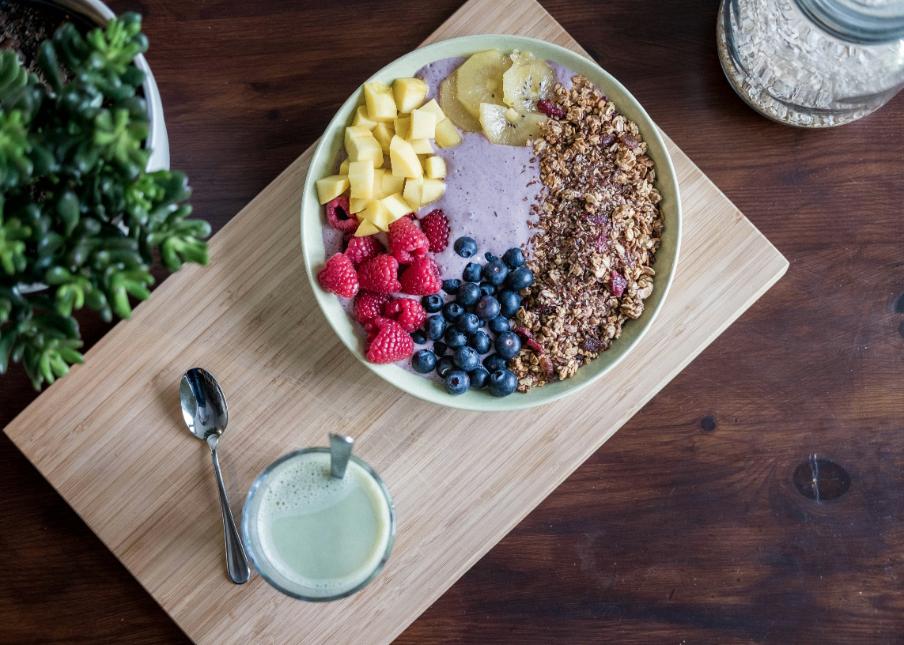
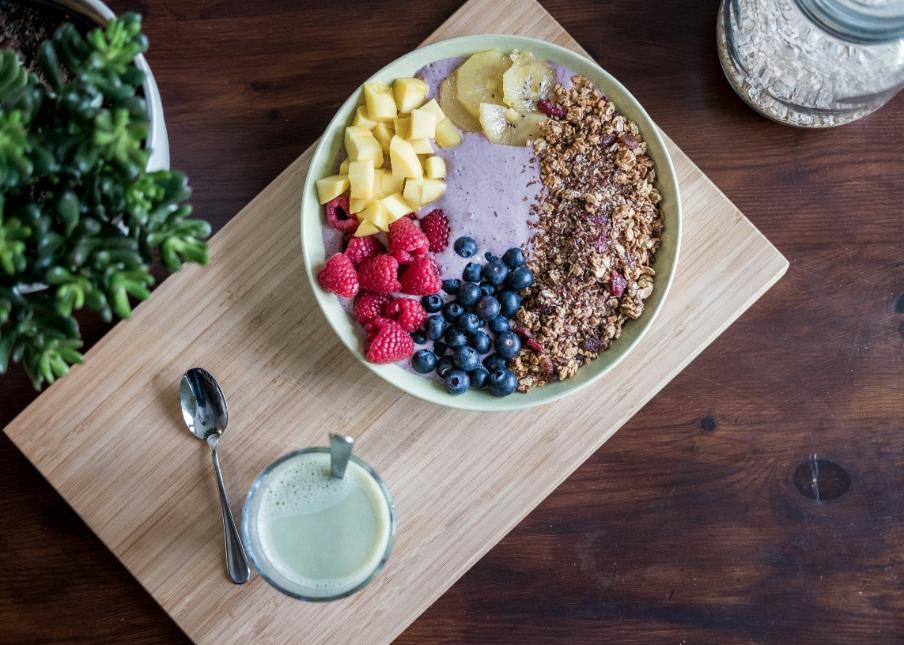
Prioritize whole foods such as vegetables, fruits, whole grains, lean proteins, nuts, and seeds
Choose low glycemic index (GI) carbohydrates to help stabilize blood sugar
Include fiber-rich foods to support digestion and hormone regulation
Focus on healthy fats such as olive oil, avocado, fatty fish, and flaxseed
Limit processed foods and added sugars when possible
These habits support stable energy levels and overall hormonal balance.
Exercise improves insulin sensitivity, mood, and metabolic health.
Beneficial types of movement include:
Walking or brisk walking
Strength training
Yoga or Pilates
Low-impact cardio
Interval training
Even 20 to 30 minutes a day can lead to noticeable improvements over time.
High stress can worsen hormonal imbalance by increasing cortisol, which in turn affects insulin and androgen levels.
Helpful stress-management practices:
Deep breathing
Meditation
Journaling
Gentle stretching
Spending time outdoors
Prioritizing rest and sleep
Small, consistent changes can make a significant difference.
A healthy gut supports hormone metabolism and reduces inflammation.
Gut-friendly habits:
Eat fermented foods like yogurt, kefir, or sauerkraut
Include prebiotic-rich foods such as bananas, oats, onions, and garlic
Stay hydrated
Incorporate fiber-rich meals
Balanced gut health supports overall hormonal harmony.
Some women with PCOD benefit from certain nutrients. Before starting any supplement, it is important to speak with a healthcare professional.
Nutrients often discussed in relation to PCOD include:
Vitamin D
Omega-3 fatty acids
Magnesium
Inositol (myo-inositol and D-chiro-inositol)
B vitamins
A professional can help determine what is appropriate based on individual needs.
Understanding your cycle, energy levels, and symptoms can help you identify triggers and measure progress. Many women find that symptom tracking increases awareness and motivates healthier habits.
Natural approaches are highly supportive, but professional medical guidance is important if you have:
Very irregular periods
Severe acne or hair changes
Difficulty conceiving
Significant weight changes
Persistent emotional distress
Healthcare providers can offer diagnostic testing and individualized care.
PCOD can be challenging, but it does not have to define your life. With consistent lifestyle habits, mindful nourishment, movement, and supportive routines, many women experience meaningful improvements in both symptoms and overall well-being. Healing naturally is a gradual process, but every small step brings you closer to balance and vitality.
Heal naturally, live happily.
9th December, 2025
9th December, 2025
7th December, 2025
